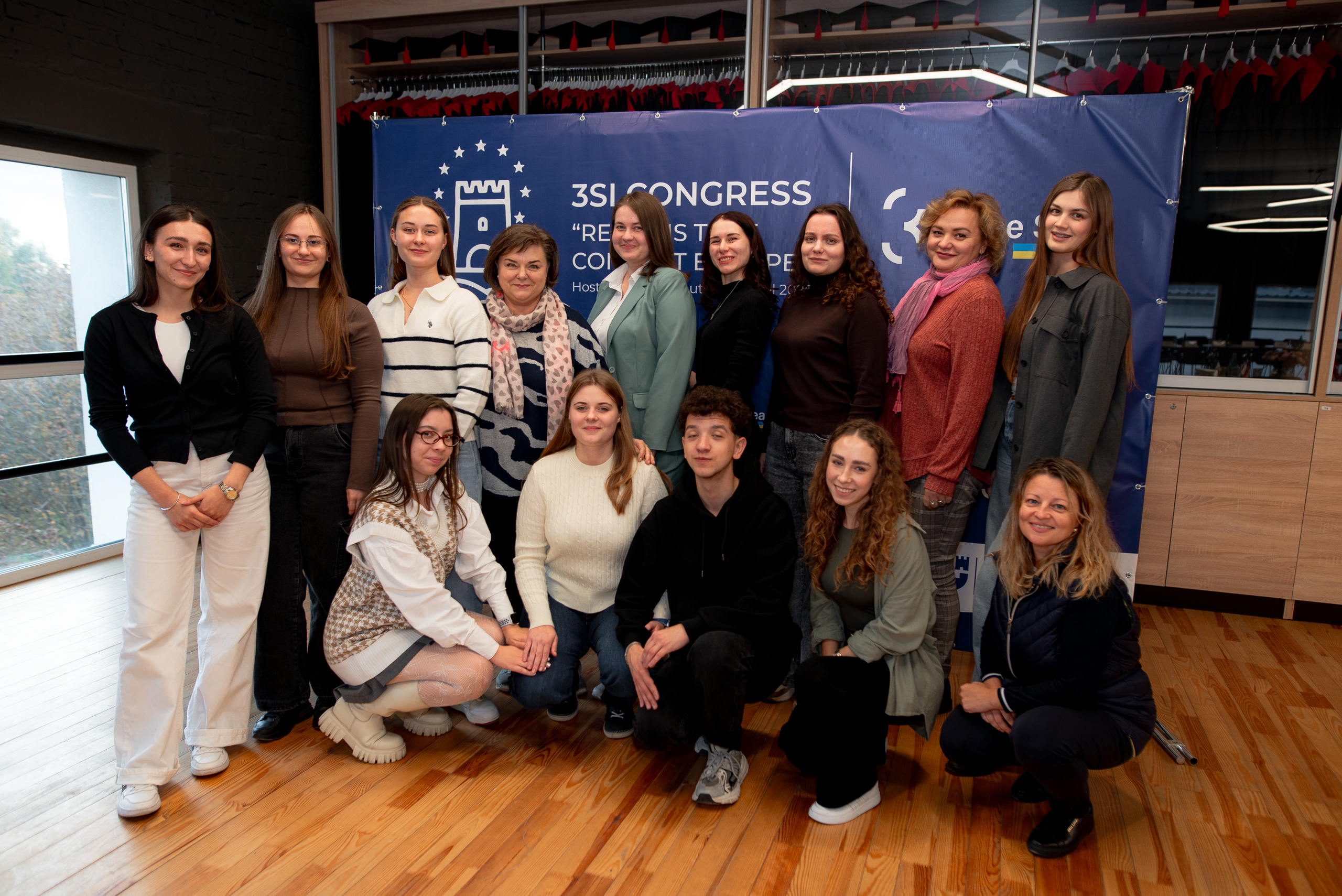
The launch of the Master's degree programme in Interpreting at the Foreign Philology Faculty is more than a new academic offering; it immerses students into the world of interlingual and intercultural experience from the very first day. In its initial months, the educational programme (EP) has demonstrated that each event and interpreting experience is an intensive learning opportunity. Here, future interpreters discover what it means to operate 'between languages, between worlds, between identities.'
Volyn plays a key role as a mediator in Ukraine's cross-border cooperation with the European Union. As stated in the Volyn Region Development Strategy, its vision is 'a competitive region of Ukraine integrated into the European space, with balanced modernisation development focused on achieving a high standard of living ... preserving and capitalising on unique natural potential, cultural values, national traditions ... in close interregional and cross-border cooperation.' https://voladm.gov.ua/article/strategiya-rozvitku-volinskoyi-oblasti-na-period-do-2027-roku/?utm_source=chatgpt.com
That is why the opening of the EP ‘Interpreting’ demonstrates the deep integration of Lesya Ukrainka Volyn National University and the Foreign Philology Faculty into large-scale regional international cooperation projects. It is also a concrete response to the challenges posed by russia's military aggression against Ukraine, through which the programme aims to expand the university's cooperation with the Volyn region's community.
Participation of students and faculty staff in city- and regional-level events organised by educational programme stakeholders is not only a professional test. It is also a key integration into social dialogue, where interpreters play a vital intellectual, cultural, and ethical role in building community.
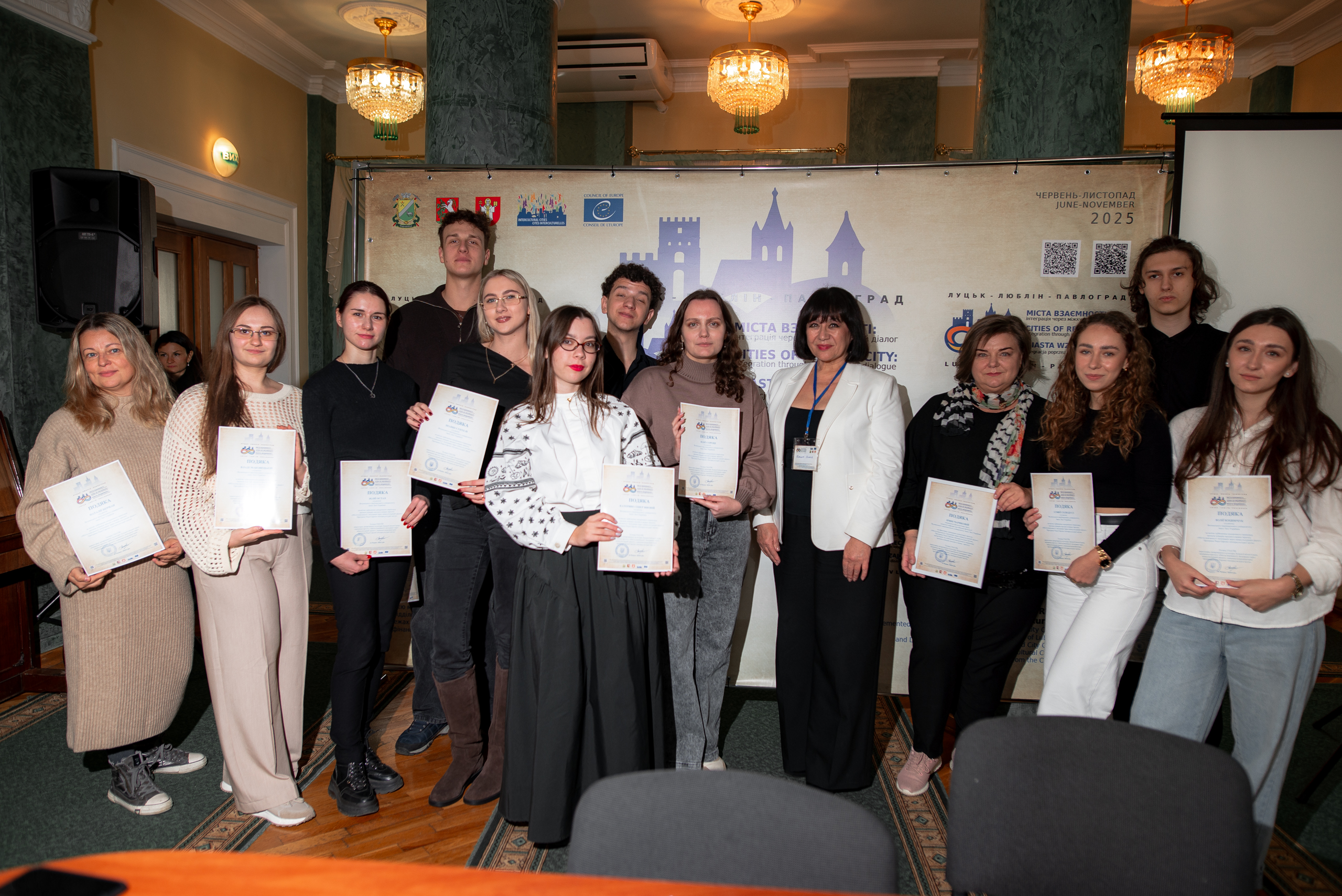
Intercultural Forum ‘Cities of Reciprocity: Intercultural Dialogue as a Path to Unity’ (12–13 September 2025)
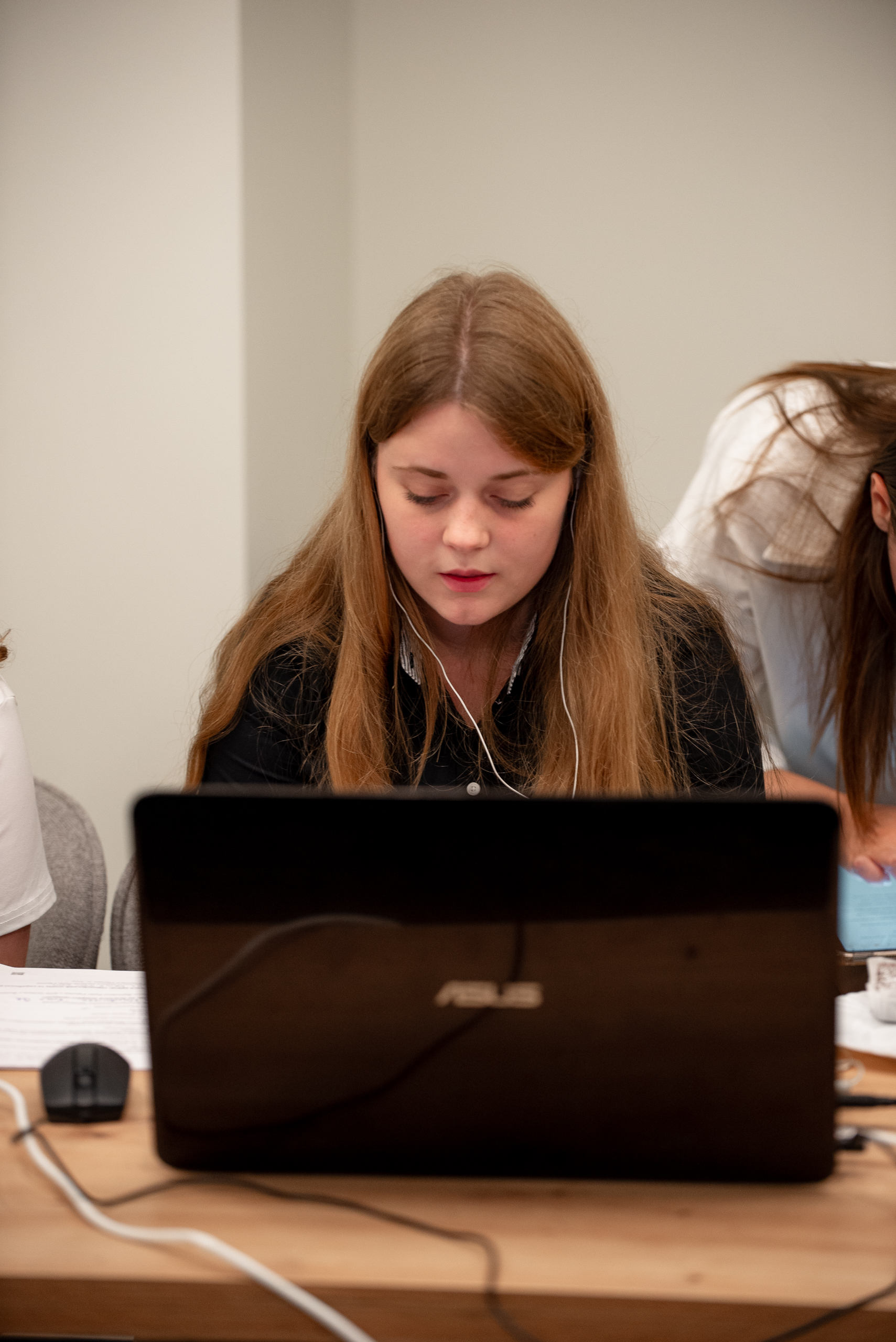
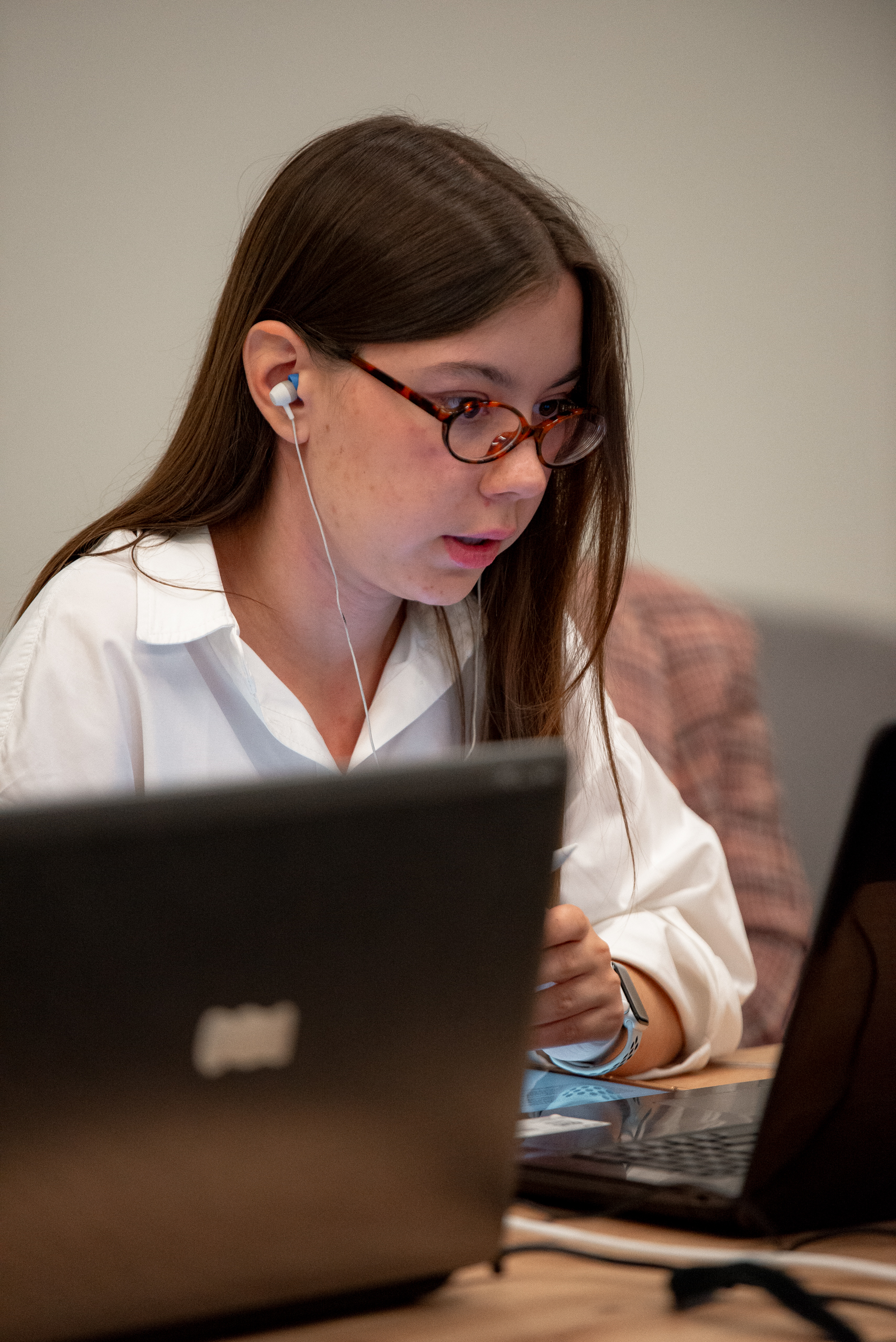
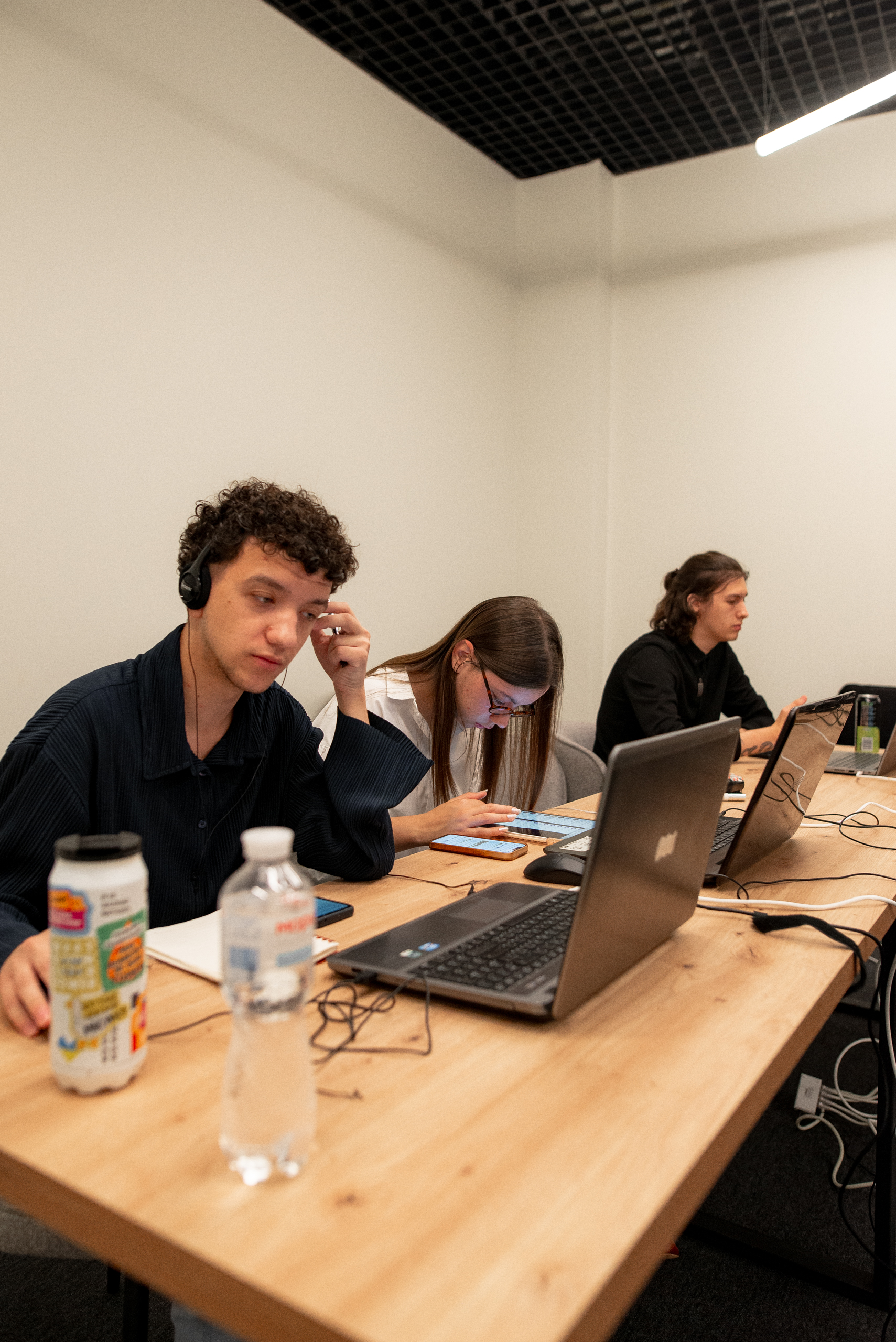
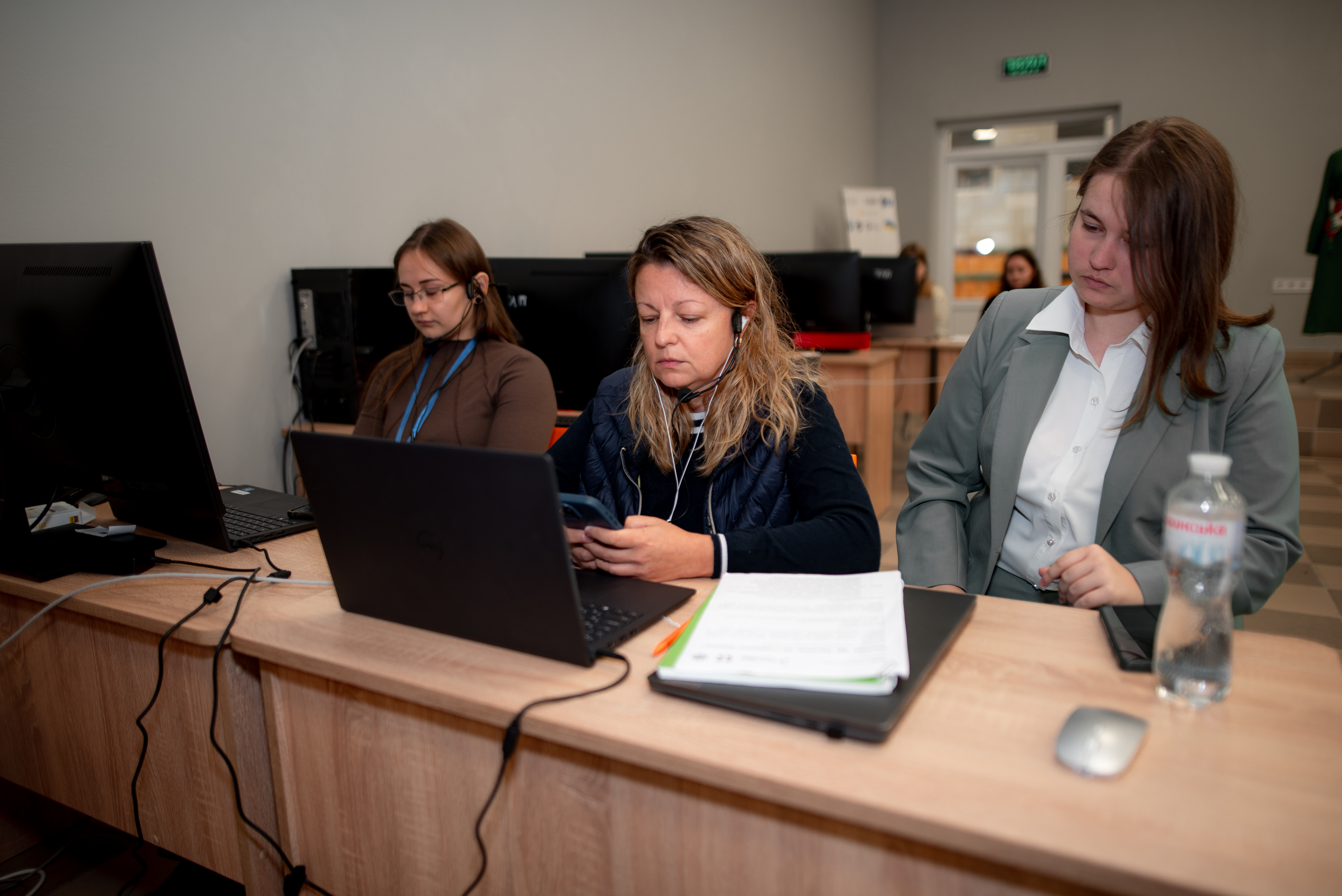
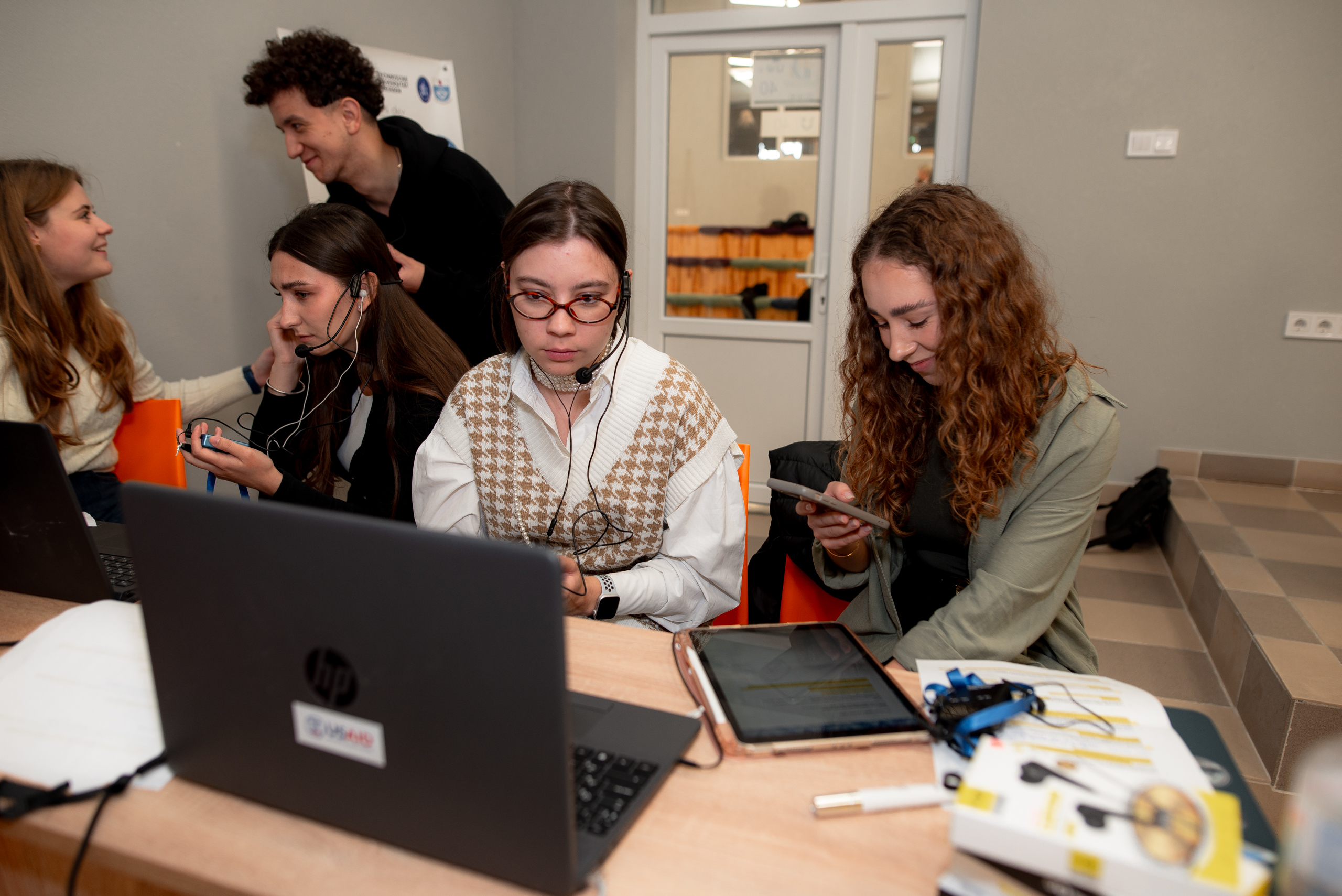
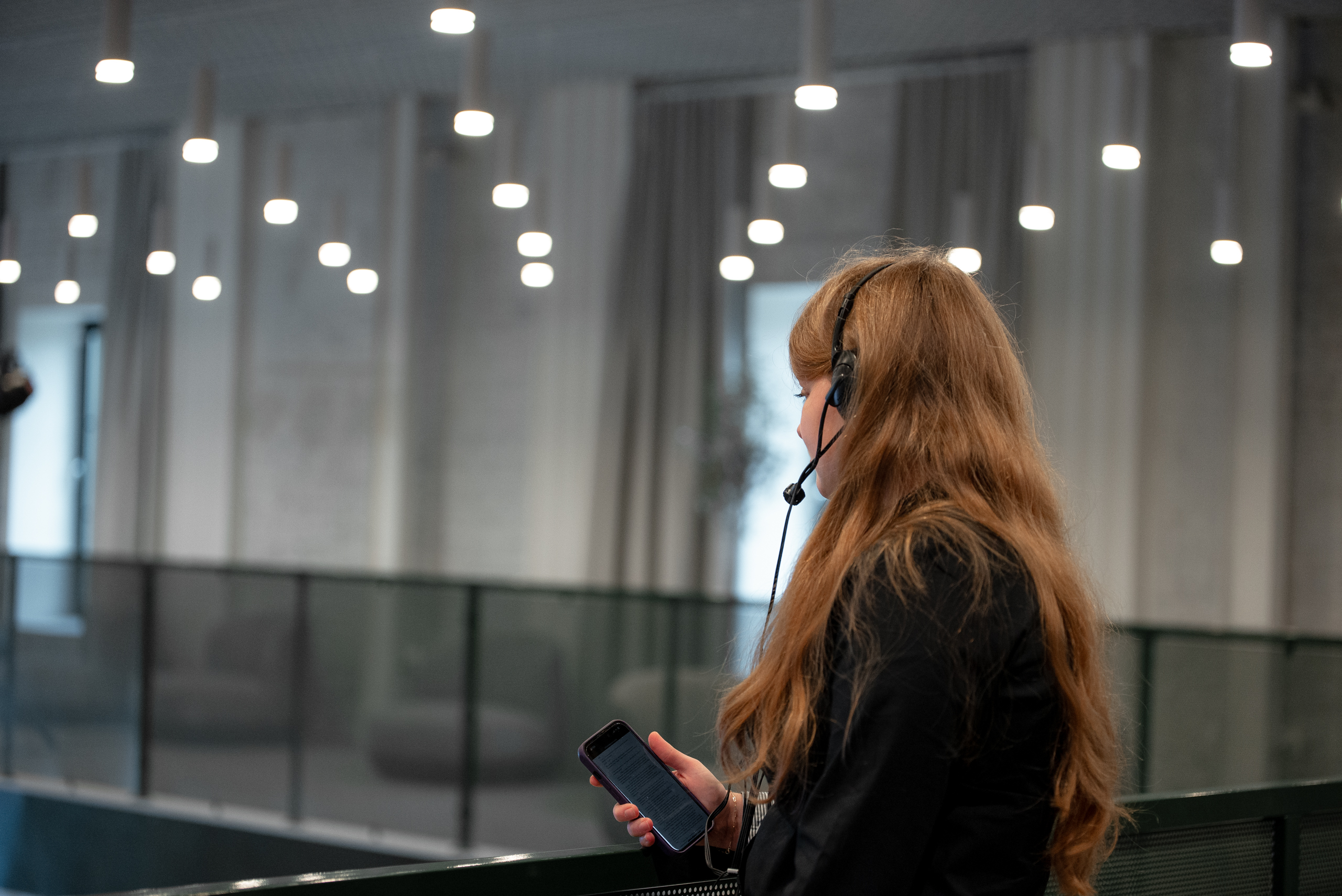
The students’ debut in simultaneous interpreting put them in a setting where voices from many cities and cultures converged. This experience showed them that interpreting is not simply a support function but is essential to the existence of these events, creating bridges of understanding.
The interpreters learned to handle diverse intonations and cultural codes, aiming to fully convey the original meaning without losing it in either language or culture. In this space, they realised that language itself becomes a dynamic event, with the interpreter serving as its sensory link.
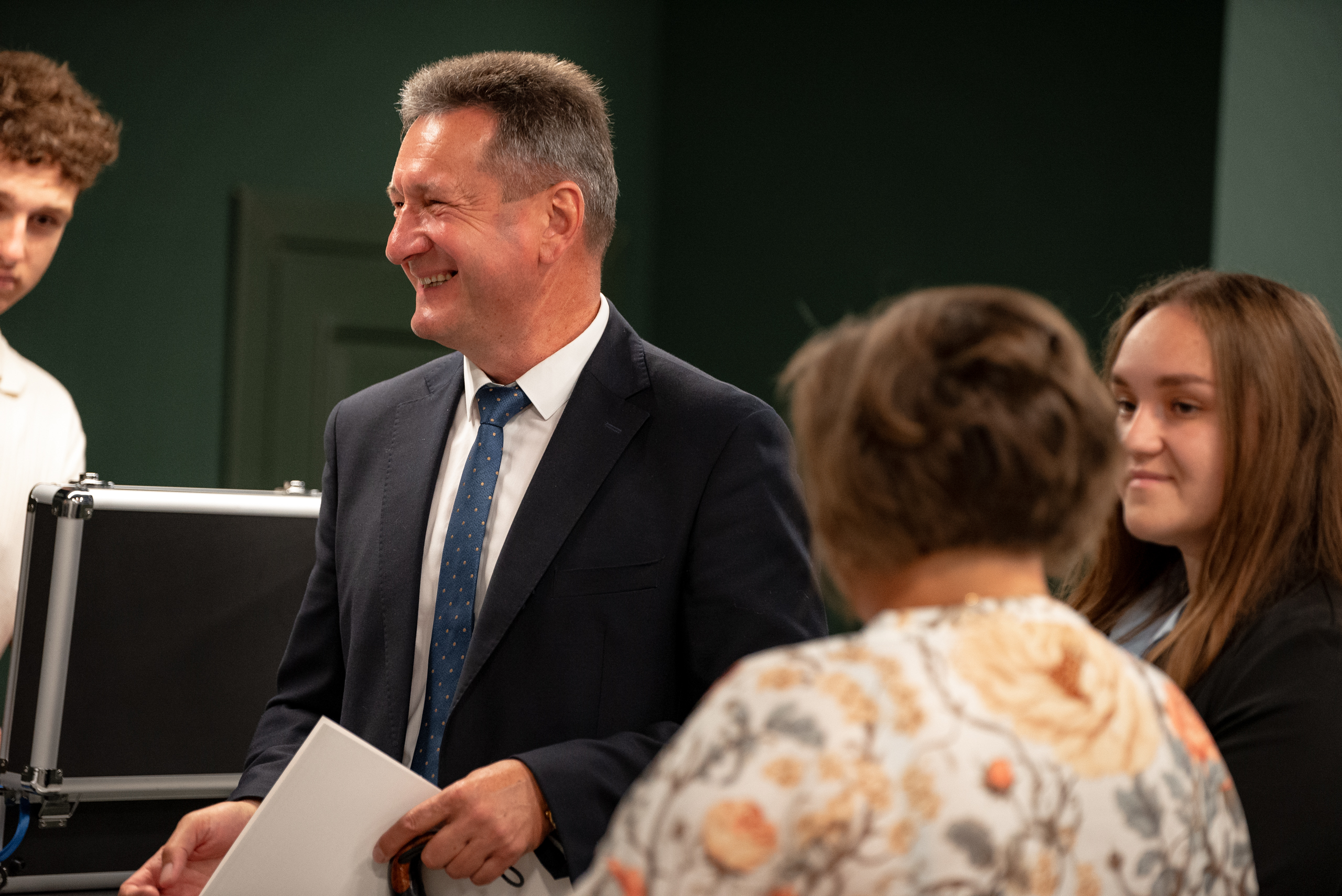
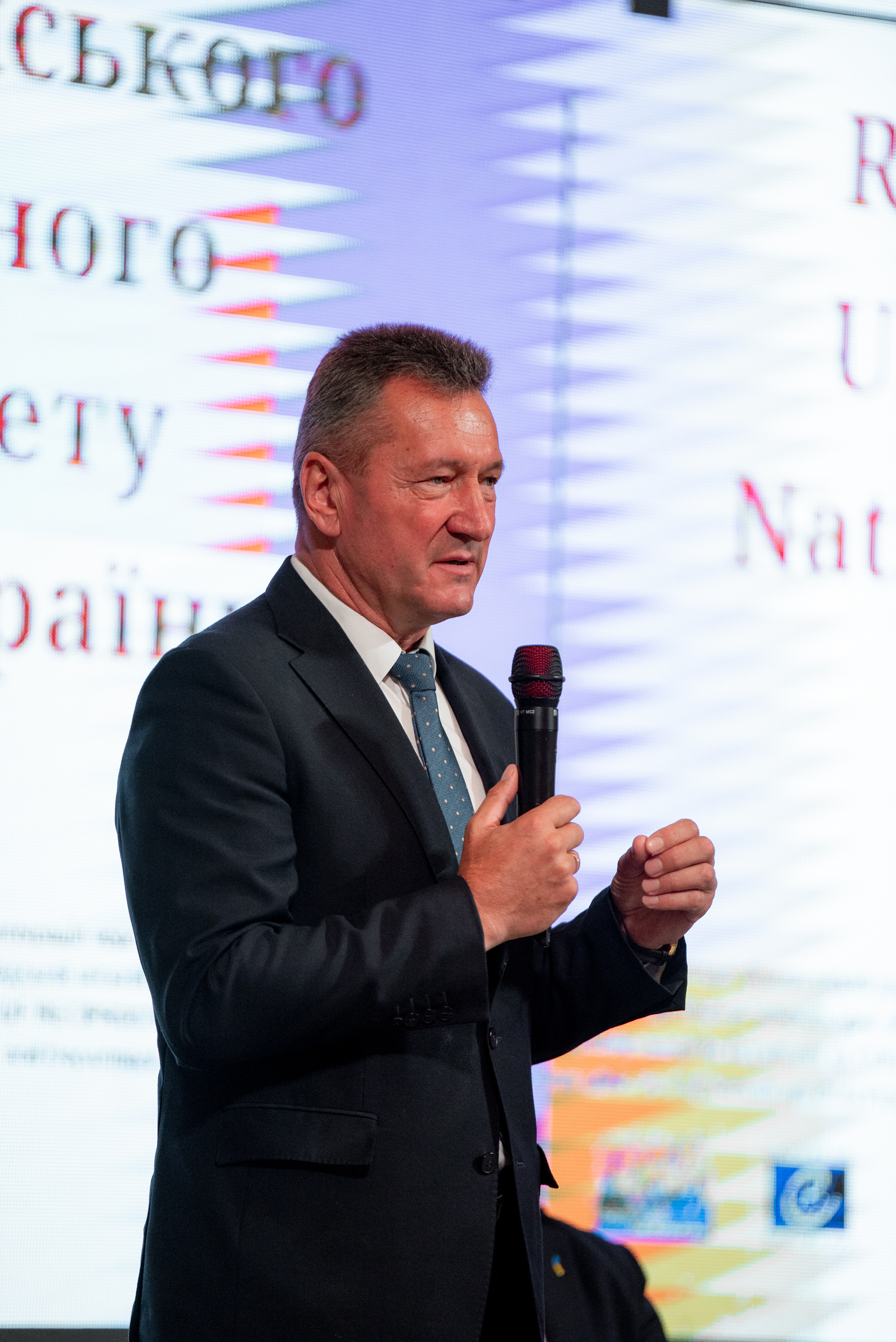
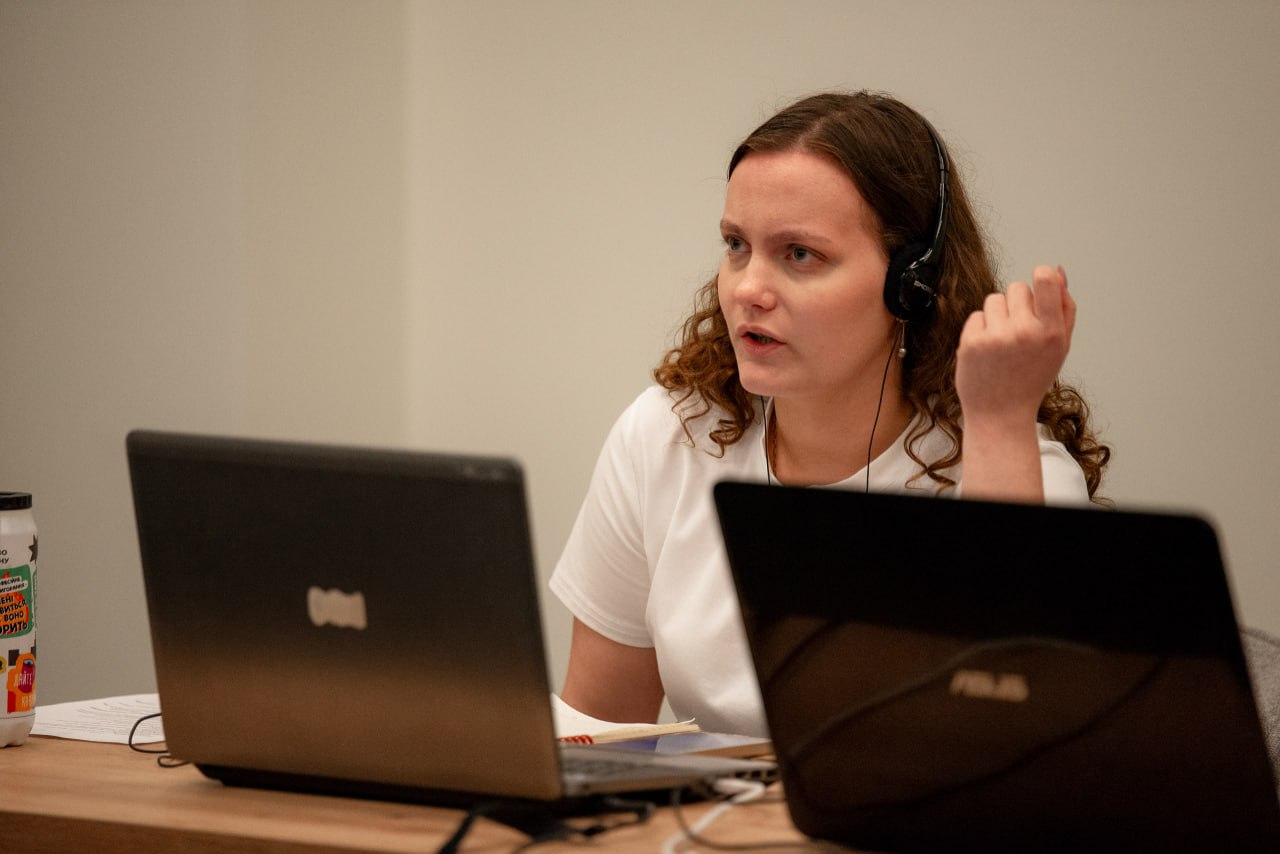
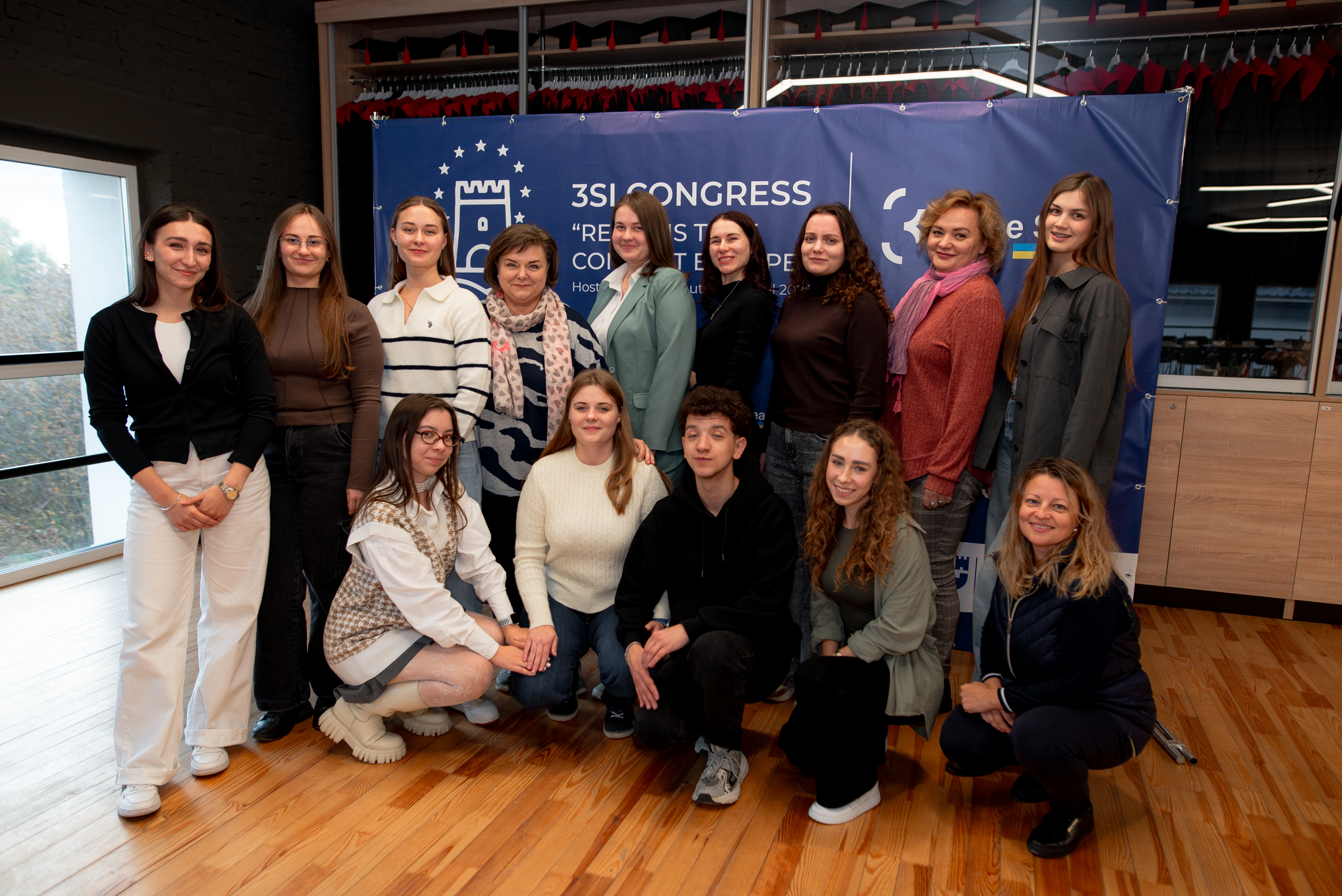
3SI Congress ‘Regions Connecting Europe’ (14 October 2025)
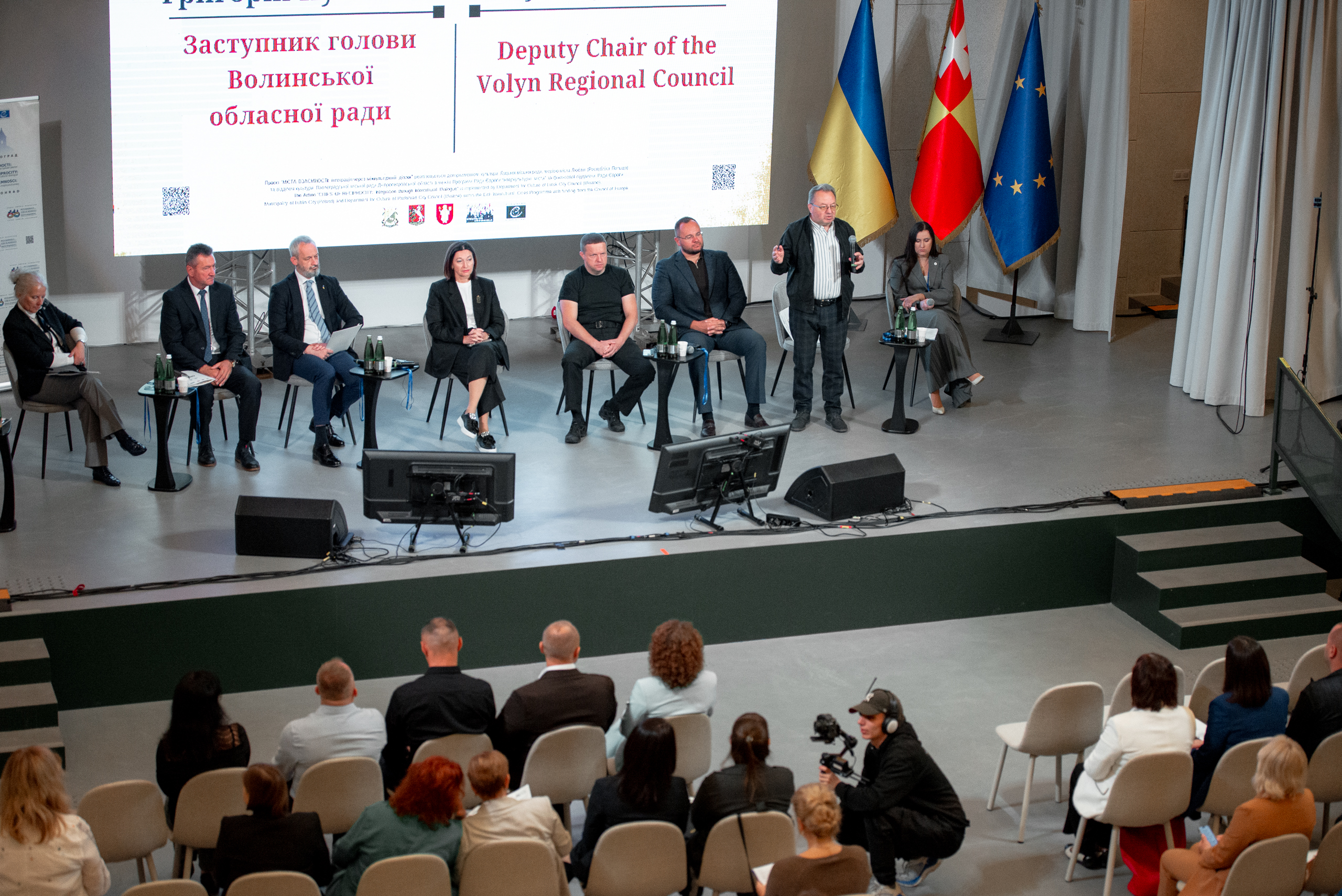
This event broadened future interpreters' horizons of responsibility. The discussion focused on regions, economies, and infrastructure, as well as on a common European identity constantly shaped through dialogue.
Simultaneous interpreting in such an environment is no longer just about conveying information, but about working with politically significant meanings, where every word is a fragment of international communication. Here, students learned to strike a balance between accuracy and diplomatic sensitivity, between speed and responsibility, between technique and cultural intuition.
It is precisely these situations under time pressure that form the invisible professional backbone that allows the interpreter to think at the speed of speech.
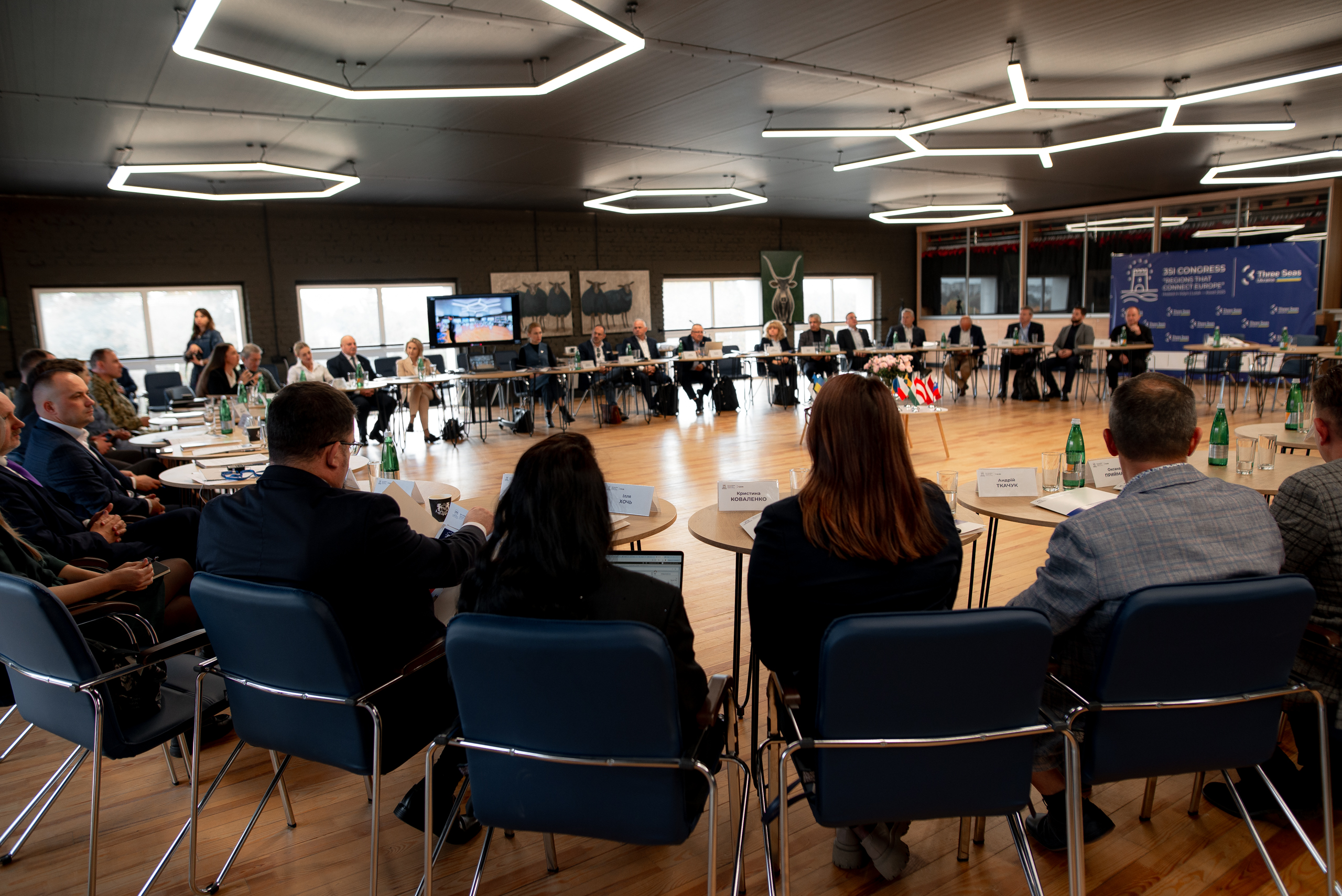
Round table ‘From dialogue to action: How intercultural interaction can change a community’ (23 October 2025)
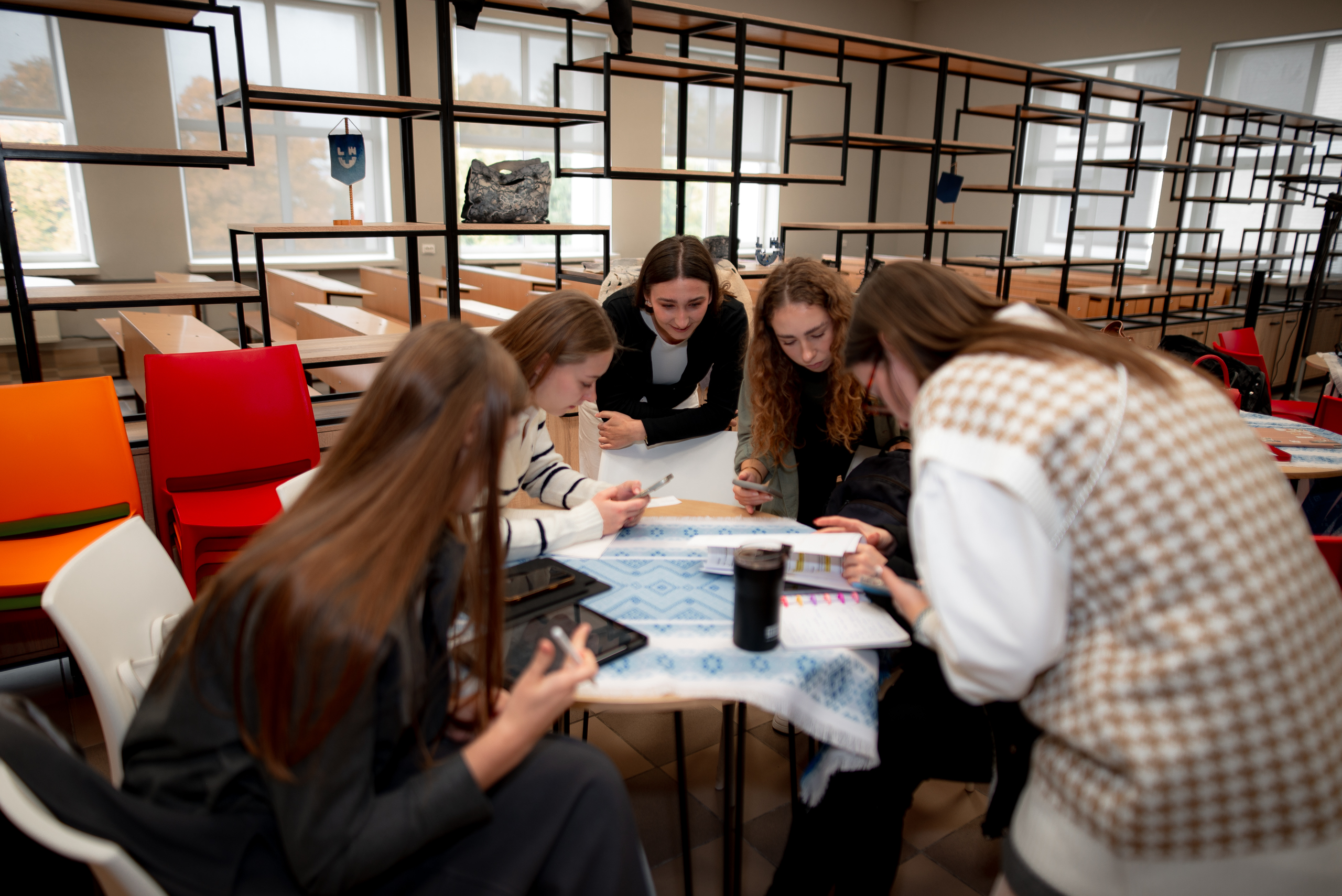
This space became a workshop of mutual presence. If at the Forum students discovered the diversity of intonations, and at the Congress — the weight of meanings, here they encountered the fact that interpreting is also a social action.
The participants of the round table discussed how dialogue becomes change, and how the interpreter in this system is not just a mediator, but a catalyst for understanding. It is in such formats that the interpreter's empathic competence is formed: the ability to hear not only words, but also social emotions, cultural tensions, collective traumas, and common aspirations.
In this sense, an interpreter is always ‘the one who holds space for the other,’ ensuring not only the transmission of meaning but also the preservation of the ethical integrity of communication.
Lecture by Dr Lara Wieland from Australia, a general practitioner, public figure, and medical volunteer.
It is worth noting that non-verbal universal signals of mutual affection, unity, and brotherhood occurred even before their verbal expression. Dr Lara Wieland has Ukrainian roots, so our homeland holds a special place in her heart. She has repeatedly participated in humanitarian and educational initiatives aimed at supporting Ukrainian doctors, civilians, and children affected by the war, so the Other became our own for a moment.
The agenda included the consecutive interpreting of medical lecture content. The opportunity to practise in the medical field was an extremely valuable experience, as medical interpreting is a special niche where the interpreter constantly balances between terminological accuracy and emotional sensitivity. In this context, interpreting becomes an anthropological encounter in which the interpreter becomes a participant in life, pain, hope, and faith for the better, Therefore, the ability to anticipate content, quickly identify terms, distinguish between what is relevant and what is superfluous, compress information logically, and demonstrate cross-cultural competence, within which the interpreter learns to interact with cultural differences in the perception of the body, pain, illness, and death, becomes extremely important. That is why it is so important to take into account different systems of ideas about health, to consider non-traditional and ethical contexts, and to approach uninterpretable concepts conceptually so as not to violate the integrity of the source.
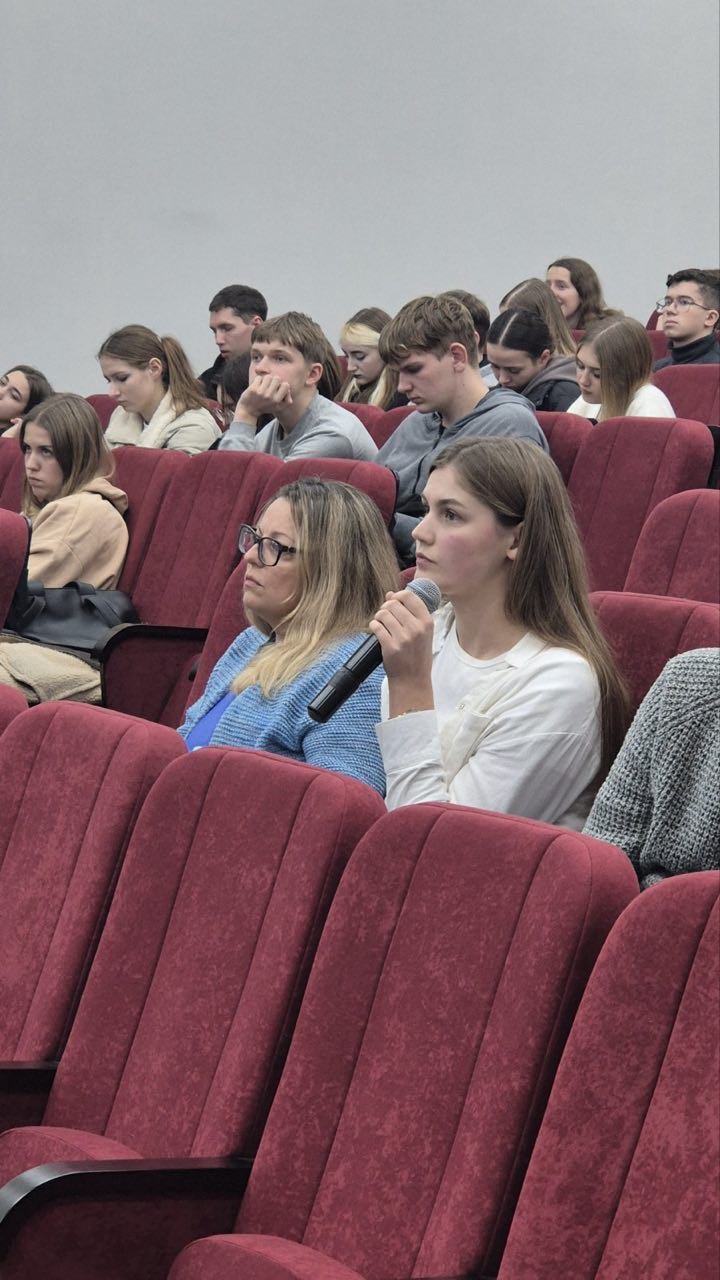
The students once again managed to boost their emotional and psychological indicators and prove their ability and skill in self-regulation and endurance under time pressure, instant decision-making, stress resistance, and the ability to concentrate, empathic listening, analytical ability to work with meanings in real time, intonation accuracy, logical argumentation, etc.
The speaker expressed her special gratitude to the student interpreters for the opportunity to be heard and drew attention to their professional and ethical qualities, which enabled genuine dialogue between languages and cultures, between the past and the present, and between the experience of others and their own. This approach once again emphasised that interpreting is not just a communicative act, but a way of being in a world where we all speak with different voices but belong to a single shared dimension that is always seeking its resonance in the other: ‘Interpreting is a gesture of trust in the world: a belief that the other is also right’ (P. Ricœur).
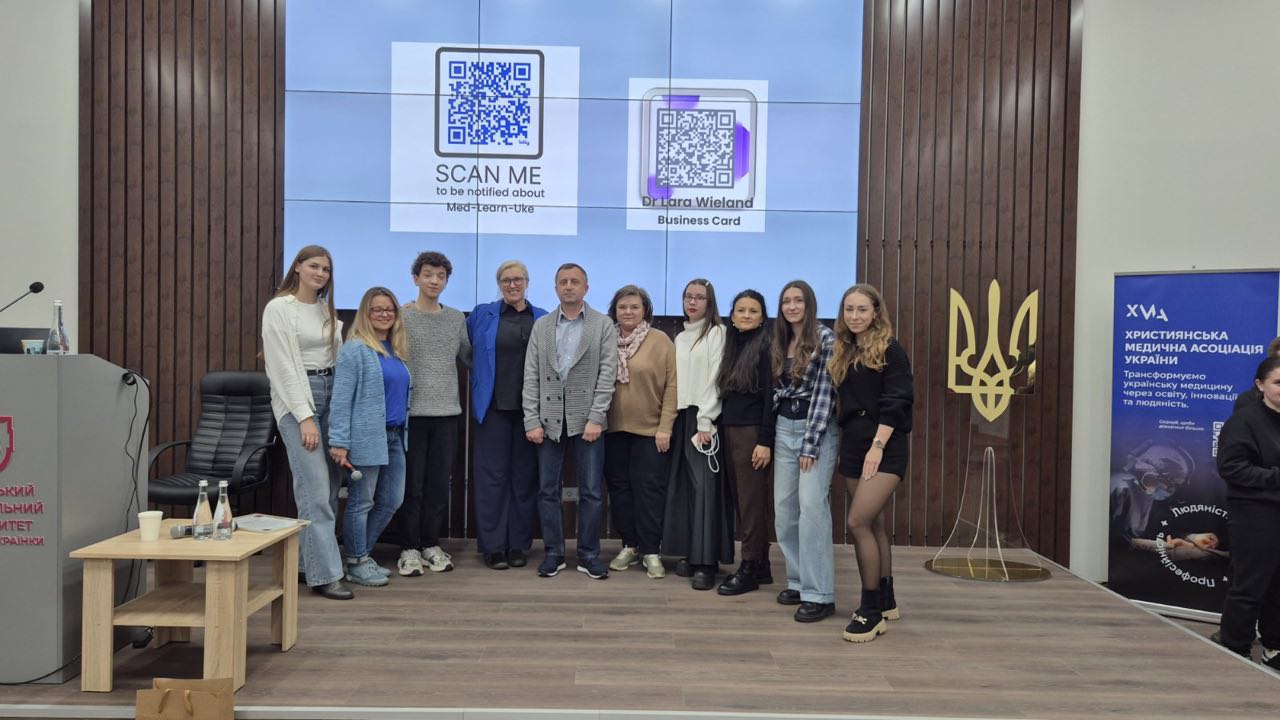
The experience gained at the events became the foundation of professional resilience: the ability to work with emotionally charged discourses at the Forum, with highly accurate and responsible texts at the Congress, and with sensitive social content at the Round Table.
That is why the meeting with Dr Wieland took place within the already formed interpreting subjectivity of students, in their readiness to interact with the Other not only as specialists but also as responsible participants in intercultural, humane dialogue.
All this together confirmed the main idea: Interpreting is not a speciality, but a way of being in a world where every voice is a bridge, and every interpreter is the one who holds that bridge.
Authors:
Yulia KRYUKOVA, Associate Professor at the Department of Foreign Languages for Natural and Mathematics, member of the OP Interpreting working group
Iryna CHARIKOVA, Associate Professor at the Department of English Philology,
guarantor of the OP Interpreting
Iryna BISKUB, Professor at the Department of Applied Linguistics,
Dean of the Faculty of Foreign Philology
Photo by Bohdan KACHMARYK, Applied Linguistics, Foreign Philology Faculty
Translated by Iryna Charikova
Facebook: https://www.facebook.com/profile.php?id=61582070181057
Instagram: https://www.instagram.com/interpretersroom?igsh=MWpzZHowOXF5bGhpMA==